X
RIY ANSH    EN GIN EER ING

Flies Control

Flies Control

Controlling fly populations is important for both public health and the well-being of animals. The most common methods for controlling flies include physical, chemical, and biological methods. Physical methods include using screens and doors to prevent flies from entering buildings, and using fly traps and sticky fly papers to capture flies. These methods can be effective for small-scale infestations but may not be practical for large areas.
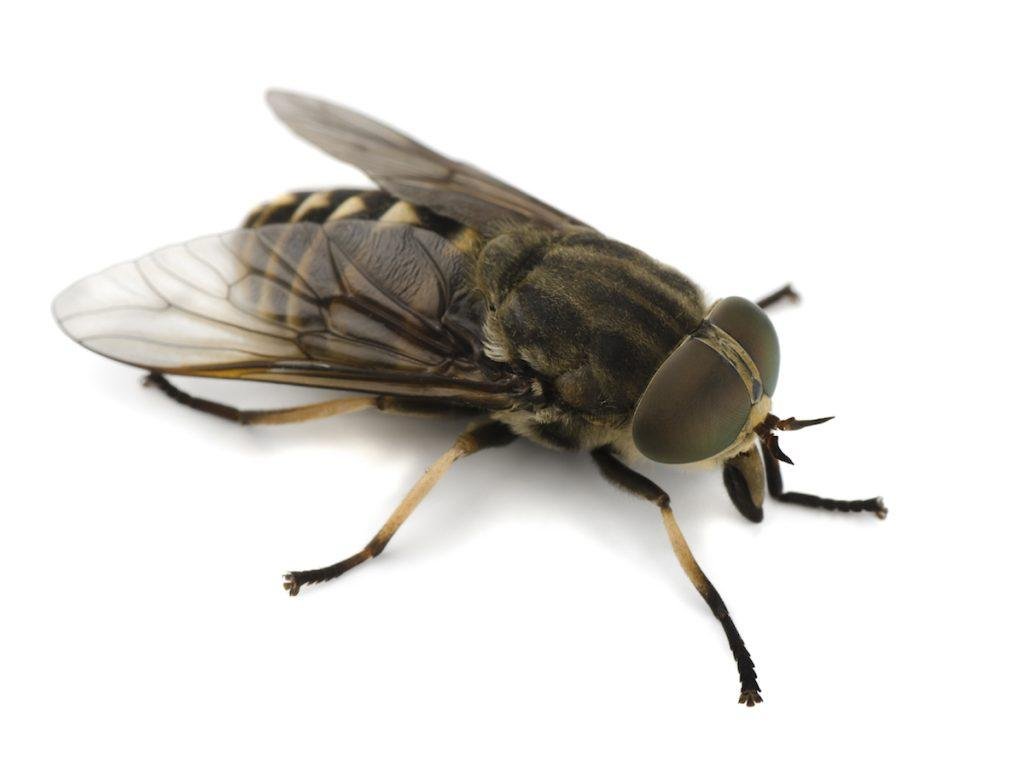
Flies can be a nuisance and a health hazard, so it’s important to control their populations. There are several methods for controlling flies, including:

  • Sanitation: This is one of the most effective ways to control flies. By keeping trash and compost piles away from buildings, cleaning up spills and removing any potential food sources, it will reduce the number of flies in an area.
  • Barriers:Physical barriers, such as screens and doors, can be used to prevent flies from entering buildings.
  • Trapping:Flies can be trapped using sticky fly papers, fly traps, and other devices. These are useful for monitoring fly populations and can also help to reduce their numbers.
  • Insecticides: Chemical insecticides can be used to kill flies, but they should only be used as a last resort. Insecticides should be used in accordance with label instructions and safety precautions.
  • Biological control: This method involves the use of other organisms to control fly populations. For example, parasitic wasps can be released to lay their eggs in fly larvae, which will kill the larvae and reduce the number of adult flies.
  • Integrated Pest Management (IPM): This approach involves using a combination of the above methods to control flies. It emphasizes on a combination of cultural, physical, and chemical controls to reduce the number of flies and minimize the use of pesticides.

It’s important to keep in mind that different types of flies may require different control methods, so it’s best to identify the specific type of fly and consult with a pest control professional for recommendations.

Go To Top